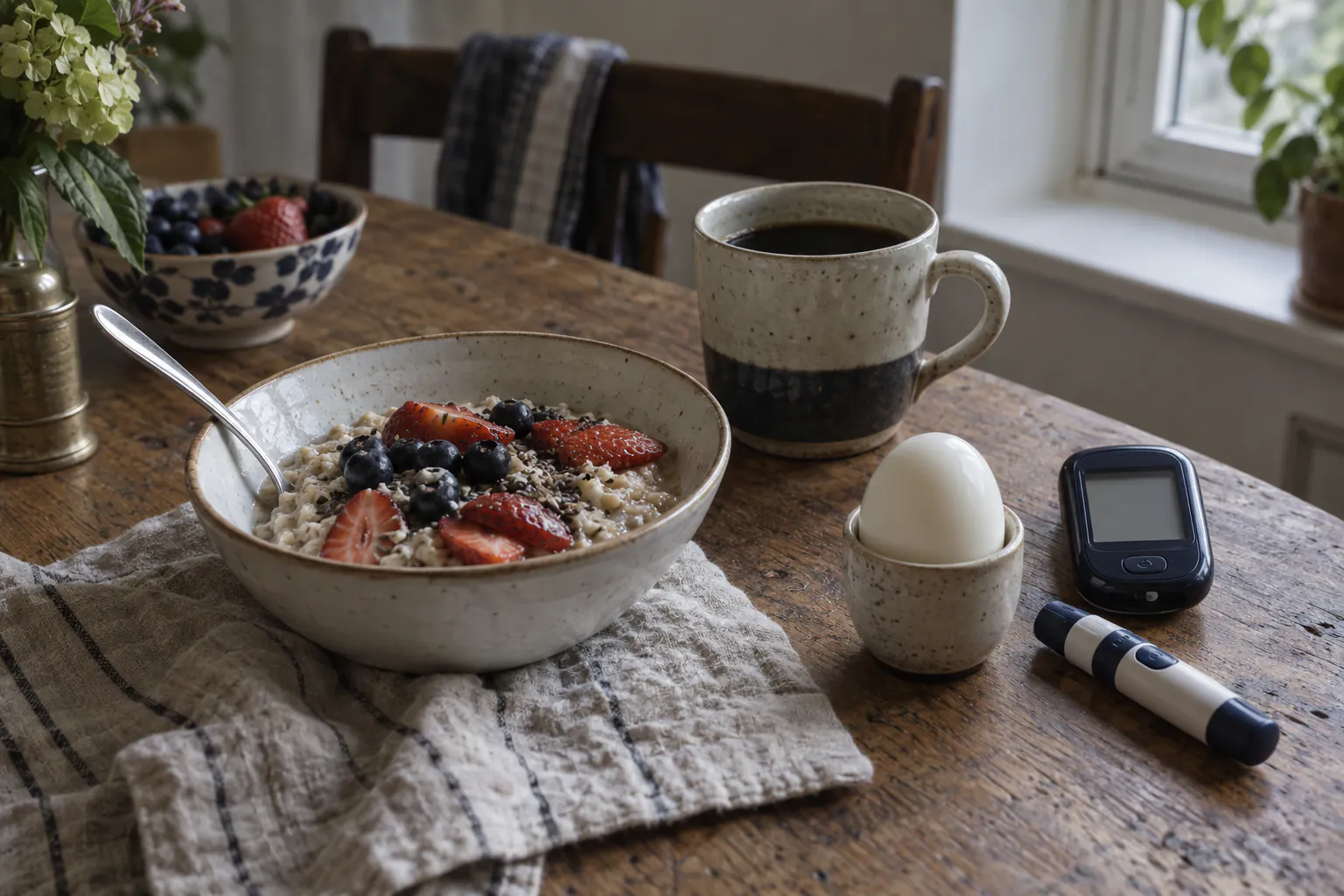
Blood Sugar After Meals: Can 2-Minute Exercise Snacks Really Help?
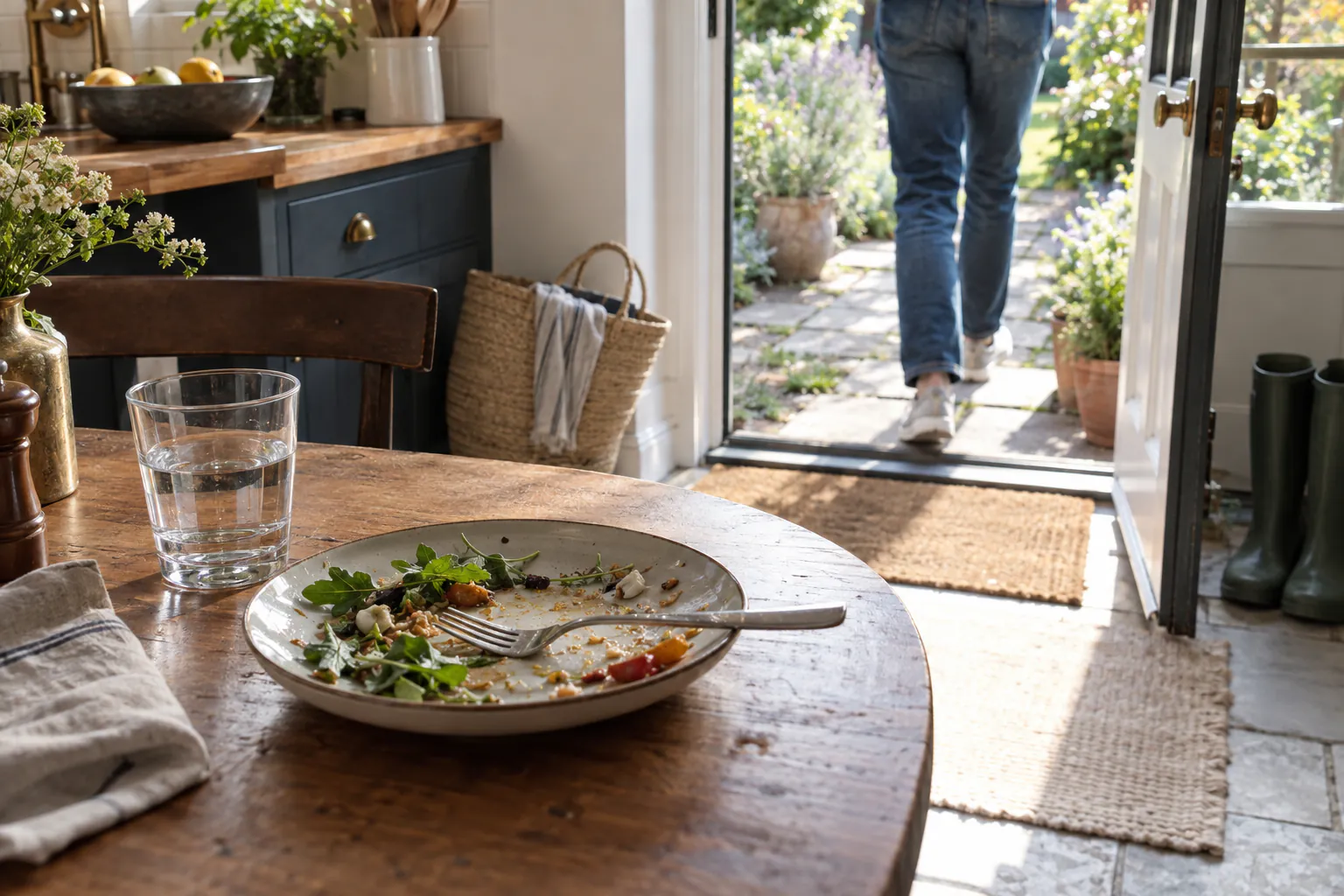
Blood sugar after meals: useful signal, not a panic score
A lot of people notice the same thing after meals.
Lunch is over. The laptop opens. Then comes the slump: foggy thinking, heavy eyelids, a little irritability, maybe a craving for something sweet even though you just ate. The internet makes it easy to blame one thing immediately: carbs, gluten, insulin resistance, cortisol, seed oils, your metabolism, or the wrong breakfast.
Sometimes food composition matters. Sometimes blood sugar is part of the story. But often the first useful question is more boring:
How long did you sit after eating?
That question is not a magic answer. It is a clean variable. If you normally eat and then sit for two or three hours, a tiny movement break after meals may be worth testing before you overhaul your diet or buy another supplement.
The key word is testing. Not diagnosing. Not treating. Not turning every meal into a glucose optimization project.
What “exercise snacks” actually means
An exercise snack is a short bout of movement that fits into normal life. It is not a full workout. It is not punishment for eating. It does not need gym clothes.
Examples include:
- A two- to five-minute easy walk after a meal.
- A few minutes of light chores.
- Walking stairs at an easy pace if stairs are safe for you.
- Calf raises at the kitchen counter.
- A short loop around the block.
- Standing up and moving during long sitting blocks.
For this topic, intensity matters. The most useful starting point is usually gentle movement, not a hard interval session right after eating. If a habit is easy enough to repeat after lunch on a normal weekday, it has a better chance of teaching you something.
A post-meal walk can also reveal whether the slump is really about movement. If you feel better after ten easy minutes outside, the answer might involve sitting, light exposure, stress transition, digestion, or a break from the screen, not just blood sugar.
Why movement after meals may help
After you eat, your body breaks food down and moves nutrients into the bloodstream. Glucose is one of those nutrients. Your muscles use glucose during movement, and even light activity can change how the body handles the post-meal period.
That does not mean movement “cancels” a meal. It does not mean glucose spikes are always dangerous. It does not mean every person needs a continuous glucose monitor.
It means the post-meal window is a reasonable time to notice patterns:
- Do you crash after certain meals but not others?
- Is the crash worse after sitting still?
- Does gentle movement help, hurt, or make no difference?
- Are symptoms sleepy and foggy, or shaky and sweaty?
- Are medications, caffeine, alcohol, sleep debt, dehydration, or stress changing the picture?
Those details matter because post-meal fatigue has more than one lane. A heavy lunch after poor sleep is different from repeated shakiness, sweating, confusion, or faintness. A mild energy dip is different from diabetes-related highs or lows. A blog post cannot sort that out for you, but a clean pattern can make the next step smarter.
What the evidence says about exercise snacks
The research is promising, but it is not a license to oversell.
A 2026 systematic review and meta-analysis in sedentary adults found that moderate-to-low intensity exercise snacks were associated with improvements in some glucose and lipid metabolism markers. That supports the idea that short movement breaks can matter, especially when they replace long sedentary stretches.
A 2026 randomized crossover study in people living with type 2 diabetes found that real-world exercise snacks reduced postprandial hyperglycemia and glycemic variability. That is directly relevant to the “after meals” question, but it still does not mean everyone should copy one protocol without considering medications, glucose monitoring, fitness level, balance, heart symptoms, or clinician guidance.
Another 2026 systematic review looked at breaking up sedentary behavior and acute effects on cognition, biological mechanisms, and practical recommendations. That broader sedentary-time angle matters because many people describe the post-meal slump as both physical and mental: tired body, foggy brain, low motivation.
The careful takeaway:
Short movement breaks after meals may be a reasonable, trackable habit for many adults. They are not a stand-alone treatment plan, and the effect can vary by meal, baseline activity, diabetes status, medication use, sleep, intensity, and consistency.
A 7-day post-meal movement experiment
If you are generally safe to do light activity, try a boring experiment for seven days.
Do not change everything at once. Do not start a strict diet, new supplement stack, fasting routine, and post-meal workout plan in the same week. That turns the data into soup.
After one or two meals per day, track:
- Meal time.
- Rough meal type: mixed meal, mostly refined carbs, high fat, high fiber, large meal, small meal.
- How long you sat after eating.
- Whether you did two to five minutes of gentle movement.
- What movement you chose.
- Energy, focus, mood, and cravings at 30, 60, and 120 minutes.
- Symptoms such as shakiness, sweating, nausea, palpitations, dizziness, reflux, bloating, urgency, headache, or unusual weakness.
- Sleep the night before.
- Caffeine and alcohol timing.
- Medications and supplements, especially anything related to blood sugar, blood pressure, heart rhythm, appetite, or sedation.
- Glucose readings only if you already monitor them or were told to monitor them.
At the end of the week, look for a pattern, not a perfect score.
Useful findings might sound like:
- “I feel less foggy when I walk five minutes after lunch.”
- “The slump happens after huge meals even if I walk.”
- “The shaky feeling happens after late caffeine and skipped breakfast.”
- “Movement helps energy but does not fix bloating.”
- “I am getting symptoms that deserve a clinician conversation.”
That is the difference between wellness noise and usable information.
Do not turn this into glucose perfectionism
Blood sugar content online can get weird fast.
People start with a reasonable question: “Why do I feel tired after eating?” Then they end up fearing normal meals, overchecking numbers, or treating every rise after food as a failure. That is not the goal.
A glucose rise after eating is normal. The concern is context: how high, how long, how often, whether you have diabetes or prediabetes, whether symptoms are happening, whether medications are involved, and whether the pattern is changing.
Be careful if you have a history of eating disorder, obsessive tracking, anxiety around food, pregnancy, diabetes, endurance training, underweight, fainting, or complex chronic illness. In those cases, “just optimize your glucose” advice can do real harm.
The better frame is simple: can a small, safe movement habit make your day feel steadier?
Common questions about post-meal movement and blood sugar
Is walking after meals good for blood sugar?
For some people, yes. Research suggests short bouts of moderate-to-low intensity movement can improve some post-meal glucose patterns, especially compared with prolonged sitting. The size of the effect varies, and walking after meals should not be treated as a replacement for diabetes care, medication, nutrition guidance, or clinician advice.
How long should I walk after eating?
A practical starting point is two to five minutes of easy movement after one or two meals, then track how you feel. Some studies use different durations, timing, and intensity, so do not treat one number as universal. The best first experiment is the shortest version you can repeat safely.
Can exercise snacks replace diabetes medication?
No. Exercise snacks may support glucose management for some people, but they do not replace prescribed medication or individualized diabetes care. If you use insulin or other glucose-lowering medication, changing meal timing, activity, or eating patterns can affect high and low blood sugar risk. Ask your clinician how to adjust safely.
What should I track if I feel tired after meals?
Track the basics first: meal timing, meal size, sitting time, movement after eating, and energy at 30, 60, and 120 minutes. Add the context that can change the pattern: sleep, caffeine, alcohol, medications, supplements, stress, hydration, and symptoms such as shakiness, sweating, dizziness, nausea, bloating, reflux, palpitations, or cravings.
Do I need a glucose monitor to test this?
Not necessarily. If you already use a glucose meter or continuous glucose monitor, those numbers may be useful in context. If you do not, you can still track energy, focus, cravings, symptoms, meal type, and movement. Do not start obsessively tracking glucose just because a wellness post told you to.
Who should be careful with post-meal exercise snacks?
Use extra caution if you have diabetes, take glucose-lowering medication, are pregnant, have heart disease, or have fainting, dizziness, or balance limitations. The same goes for an eating disorder history, medical fragility, or recovery from illness, surgery, or injury. Gentle movement is still activity, and context matters.
Related SageWiz reading
- If meals also trigger bloating, reflux, urgency, or fog, read Bloating, Fatigue, and Brain Fog After Eating: What to Track First.
- If you are preparing to discuss confusing symptoms with a clinician, read Doctor Visit Checklist for Unexplained Symptoms: What to Bring.
- If supplements, caffeine, sleep aids, or medications are mixed into the pattern, read Supplement Interaction Checker: Herbs, Vitamins, and Natural Remedies.
Evidence
Evidence used in this article
Primary sources and public health references reviewed for this article.
- Effectiveness of moderate-to-low intensity exercise snacks on glucose and lipid metabolism in sedentary adults
Frontiers in Physiology / PubMed
2026 systematic review and meta-analysis of moderate-to-low intensity exercise snacks and glucose/lipid metabolism markers in sedentary adults.
- Exercise snacks performed in real-world settings reduce postprandial hyperglycaemia and glycaemic variability in individuals living with type 2 diabetes
Diabetologia / PubMed
2026 randomized crossover study evaluating real-world exercise snacks and post-meal glucose patterns in people living with type 2 diabetes.
- Acute effects of physical activity breaking up sedentary behavior on cognitive function, biological mechanisms, and practical recommendations
Frontiers in Psychology / PubMed
2026 systematic review on breaking up sedentary behavior, cognition, mechanisms, and practical movement-break recommendations.
- About Physical Activity
Centers for Disease Control and Prevention
CDC overview of physical activity benefits and the importance of moving more and sitting less.
- Diabetes Diet, Eating, & Physical Activity
NIDDK / NIH
Patient education on diabetes, eating, physical activity, medication context, and safe individualized planning.
Bottom line
Exercise snacks are not a cure, a cleanse, or a hack. They are a small testable behavior.
If you feel foggy, sleepy, or off after meals, try tracking one week of meal timing, sitting time, gentle movement, energy, symptoms, sleep, caffeine, and medication context. If the pattern is mild, you may find a simple habit that helps. If the pattern is severe, new, worsening, or tied to warning signs, bring the log to a clinician instead of trying to solve it alone.
Loading the article health chat…
Related: Blood Sugar and Energy Crashes: What to Track and Ask