Supplement Interaction Checker: Herbs, Vitamins, and Natural Remedies
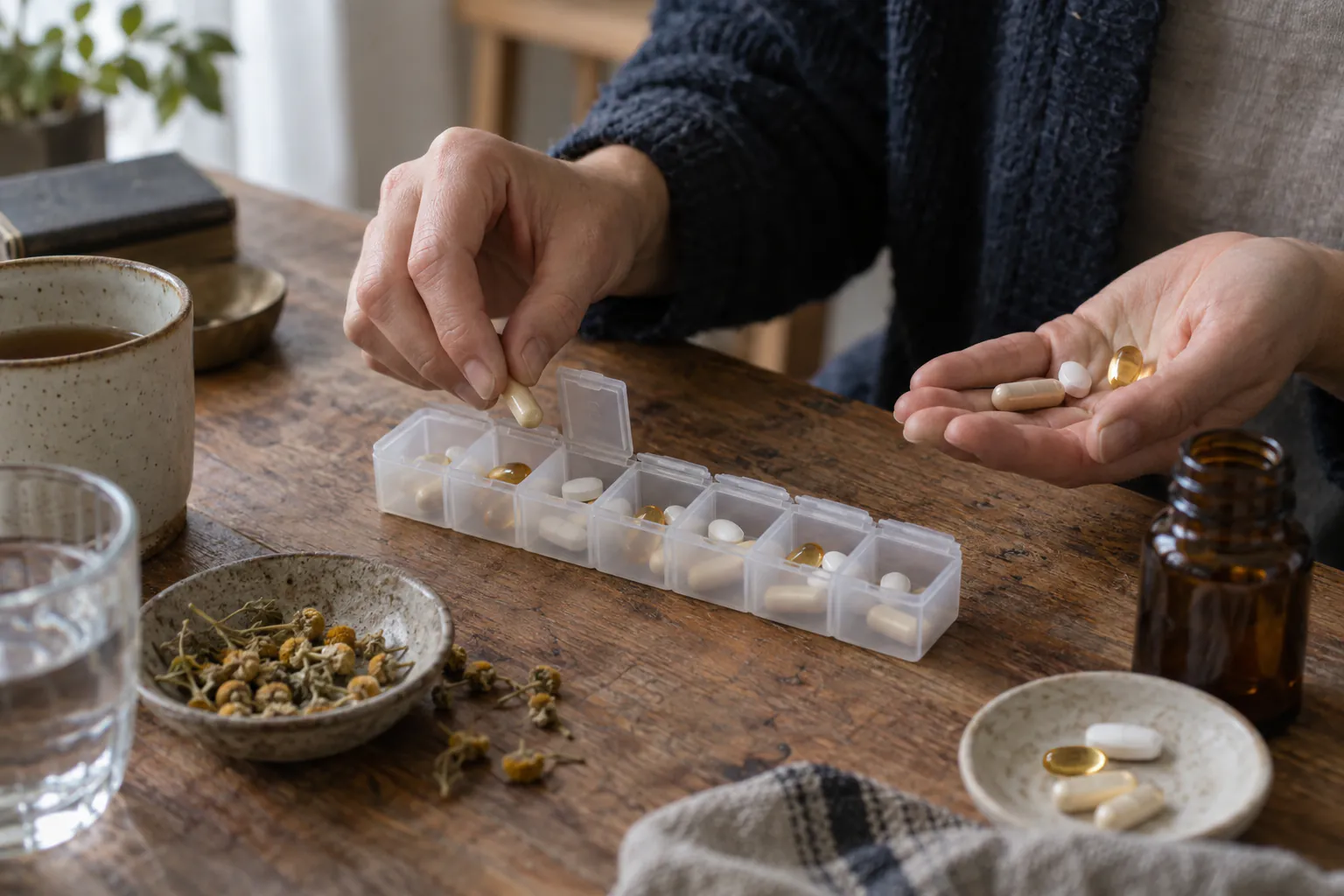
Why a supplement interaction checker needs the whole stack
Most supplement mistakes do not look dramatic at first.
Someone adds magnesium for sleep. Then ashwagandha for stress. Then berberine for blood sugar. Then turmeric for inflammation. Then a mushroom gummy for focus. Then a sleep tea. Then an antihistamine, pain reliever, antibiotic, blood pressure medicine, antidepressant, birth control pill, or blood thinner enters the picture.
Each choice may have a reasonable story. The stack is where the story gets messy.
That is why “supplement interaction checker” is a better search than “best natural remedy.” The practical question is not whether one ingredient has benefits in isolation. It is whether the whole stack makes sense for one person’s body, diagnoses, medications, labs, symptoms, and risk factors.
Natural remedies and medication interactions are real chemistry
A supplement can affect the nervous system, liver enzymes, bleeding risk, sedation, blood sugar, blood pressure, hormones, sleep, mood, digestion, or medication levels. Some effects are mild. Some are useful. Some are risky in the wrong context.
NCCIH and FDA both emphasize a boring but important point: supplements are regulated differently from prescription drugs, and many products are not reviewed for safety and effectiveness before they reach the market. Labels can be incomplete, proprietary blends can hide dose details, and product quality can vary.
That does not mean supplements are fake or always unsafe. It means they deserve the same mature thinking you would use for anything that changes how your body feels.
Build the list before checking supplement interactions
Before asking a clinician, pharmacist, or AI tool about supplement interactions, collect the details that actually matter.
Write down:
- Prescription medications, including dose and timing.
- Over the counter medicines such as pain relievers, antihistamines, acid reducers, sleep aids, and decongestants.
- Vitamins and minerals.
- Herbs, teas, tinctures, powders, mushroom products, gummies, protein powders, pre workouts, and “greens” blends.
- Cannabis, nicotine, alcohol, caffeine, kratom, kava, or other psychoactive products.
- Medical conditions, pregnancy or breastfeeding, upcoming surgery, liver or kidney disease, seizure history, bipolar disorder, psychosis history, bleeding disorders, and immune suppression.
- Recent symptoms that started after adding, increasing, or combining a product.
The exact product matters. “Magnesium” is not enough. Write the form, dose, serving size, brand, and number of servings per day. If a product uses a proprietary blend, take a photo of the label.
Watch the extra caution categories
These categories deserve extra caution before experimenting alone:
- Blood thinners, antiplatelet drugs, bleeding disorders, or surgery plans.
- Diabetes medications or symptoms of low blood sugar.
- Blood pressure medicines or fainting/dizziness.
- Sedatives, alcohol, sleep aids, opioids, antihistamines, or products that make you drowsy.
- Antidepressants, stimulants, mood stabilizers, seizure medications, or psychiatric history.
- Liver disease, kidney disease, pregnancy, breastfeeding, or trying to conceive.
- Immune suppressing medications or autoimmune conditions.
- Children, older adults, or medically fragile people.
The right next step may be simple: ask a pharmacist before starting the product. Pharmacists are often the best first stop for supplement and medication interaction questions because they can check the medication list and dose context.
A safer way to test one change
If a clinician has not told you to avoid experimentation, make the experiment legible.
Try one change at a time. Keep the dose conservative. Do not start five products in the same week. Do not add a new supplement right before travel, surgery, a major medication change, pregnancy, or a stressful event if you can avoid it.
Track:
- Start date.
- Exact dose and timing.
- Why you are taking it.
- What would count as “helping.”
- What symptoms would make you stop and ask for help.
- Other medication, supplement, alcohol, caffeine, and sleep changes that week.
If you cannot explain why a supplement is in the stack, it probably does not belong in the stack.
When to stop guessing
A supplement interaction question becomes more urgent when symptoms are new, sudden, or severe after starting or combining products.
Examples include severe vomiting, confusion, extreme sleepiness, agitation, hallucinations, fainting, chest pain, trouble breathing, abnormal heart rhythm, or symptoms that look like seizures. Severe weakness, yellowing skin or eyes, unusual bleeding, black stools, and severe rash or swelling also deserve urgent review.
For possible poisoning or severe reactions in the United States, Poison Control is available at 1-800-222-1222. Emergency symptoms should go to emergency care.
Common questions about supplement interaction checks
How do I check if supplements interact with my medications?
Make a full list of prescriptions, over the counter drugs, supplements, herbs, teas, powders, and gummies. Add alcohol, cannabis, caffeine, doses, timing, and medical conditions. Then ask a pharmacist or clinician to review the list. Online tools can help with organization, but they should not replace professional guidance for higher risk medications or conditions.
Are natural supplements safer than medications?
Not automatically. Some supplements are lower risk for many adults, but “natural” products can still cause side effects, interact with medications, affect labs, or be unsafe during pregnancy, surgery, liver disease, kidney disease, psychiatric conditions, or in children.
What supplement combinations are higher risk?
Higher risk stacks often involve blood thinners, sedatives, alcohol, diabetes medications, blood pressure medications, psychiatric medications, seizure medications, immune suppressing drugs, surgery plans, pregnancy, liver disease, or kidney disease. Risk also rises when several calming, stimulating, or blood sugar lowering products are combined at once.
What supplements should not be mixed with medications?
There is no universal do not mix list that fits everyone. Be especially careful with supplements that can affect bleeding, sedation, blood sugar, blood pressure, liver enzymes, mood, seizures, hormones, or immune function when prescription or over the counter medications are involved.
Should I ask a pharmacist about supplement interactions?
Yes, especially if you take prescription medication, use multiple supplements, have upcoming surgery, or are pregnant. Ask sooner if you have liver, kidney, bleeding, seizure, psychiatric, immune, blood pressure, or diabetes concerns. Pharmacists can review the stack and flag interaction risks.
What label details should I save?
Save the brand, product name, supplement facts panel, ingredient list, serving size, dose per serving, and suggested use. If available, also save the lot number, independent lab testing claims, and a photo of any proprietary blend. These details can be more useful than the front label marketing claim.
Related SageWiz reading
- If a sleep supplement is part of the question, read Melatonin for Insomnia: What to Track Before Changing Your Sleep Routine.
- If mushroom gummies, chocolates, or functional blends are in the stack, read Are Mushroom Gummies Safe? Mushroom Chocolates, Risks, and Warning Signs.
- If you need to bring the stack to a clinician, read Doctor Visit Checklist for Unexplained Symptoms: What to Bring.
Evidence
Evidence used in this article
Primary sources and public health references reviewed for this article.
- Using Dietary Supplements Wisely
NCCIH / NIH
Consumer guidance on supplement regulation, side effects, interactions, and talking with clinicians about supplement use.
- Information for Consumers on Using Dietary Supplements
U.S. Food and Drug Administration
FDA overview of dietary supplement oversight, labels, safety reporting, and consumer considerations.
- Herb Drug Interactions
NCCIH / NIH
NCCIH provider digest summarizing herb drug interaction concerns and evidence limitations.
- Dietary Supplement Frequently Asked Questions
NIH Office of Dietary Supplements
NIH ODS consumer FAQ on dietary supplements, labels, safety, and finding reliable information.
- Contact Poison Control
Poison Control
Poison Control guidance for contacting the Poison Help line after a possible poisoning exposure.
Bottom line
A supplement stack is only as safe as the list is complete.
Before adding another natural remedy, write down what you already take, why you take it, what changed, and what symptoms you are watching. Then get the right level of review for the risk level.