Are Mushroom Gummies Safe? Mushroom Chocolates, Risks, and Warning Signs

Mushroom gummies and chocolates can look safer than they are
The weirdest thing about mushroom chocolates is how normal they look.
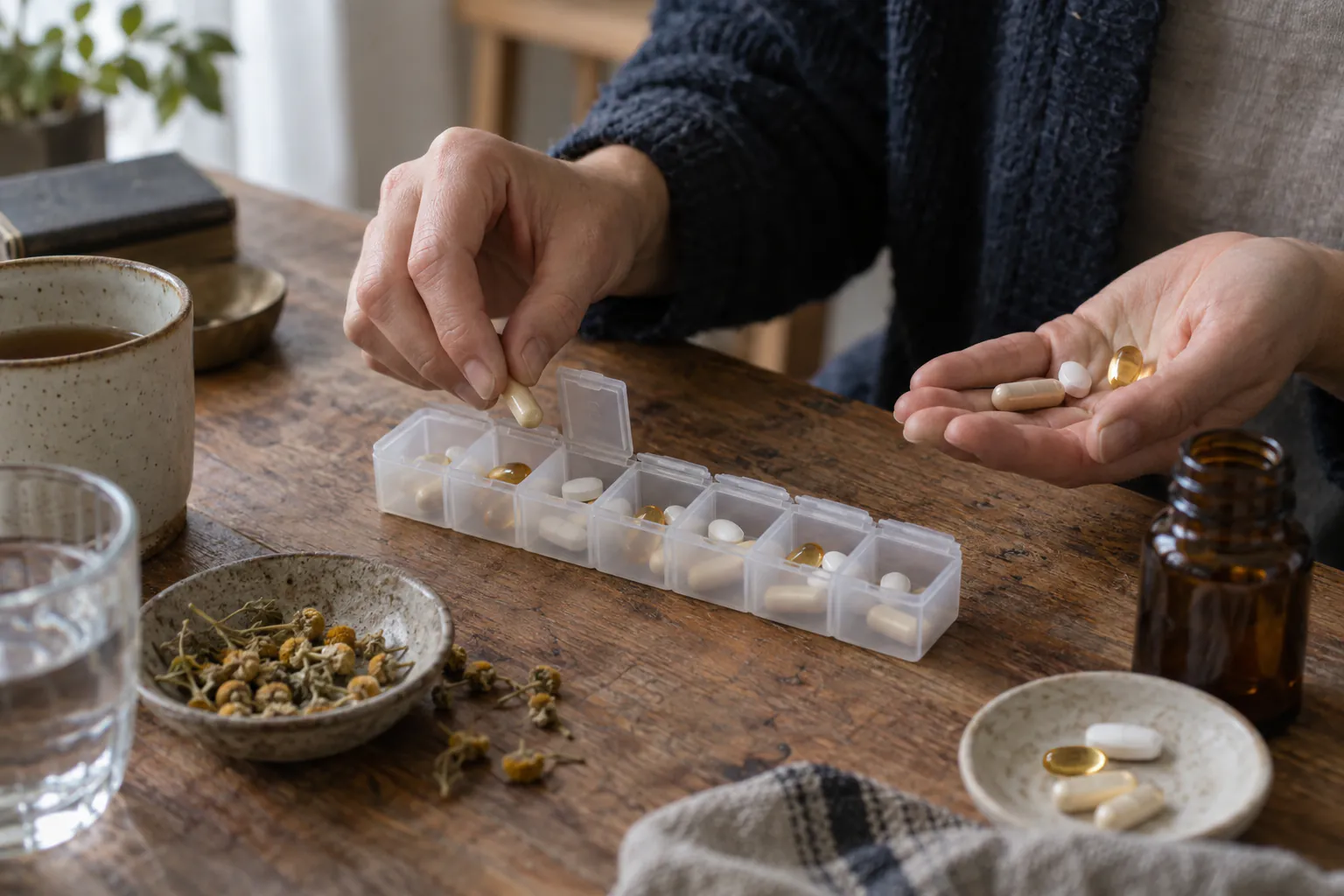
A chocolate bar. A gummy. A coffee blend. A little pouch at a smoke shop or wellness store. Maybe the label says focus, calm, creativity, mood, sleep, adaptogen, nootropics, or microdose. It does not look like a medical decision. It looks like a snack with better branding.
That is the problem.
The word mushroom can mean too many different things at once. It can mean ordinary mushrooms on a dinner plate. It can mean a lion’s mane capsule someone takes for focus. It can mean reishi, cordyceps, chaga, turkey tail, or an “immune” blend with several mushrooms. It can also mean products marketed around microdosing, altered mood, relaxation, or psychedelic style effects.
Those are not the same category.
But online, in stores, and in ads, they often get blurred together. The healthy halo of culinary mushrooms gets borrowed by products that are much harder to judge.
That is where people get into trouble. Not because every mushroom product is dangerous. That would be too blunt. The real issue is that some products are casual on the outside and biologically unpredictable on the inside.
Why “natural” is doing too much work
Natural is a weak safety plan.
A compound can come from a plant, fungus, animal, mineral, bacteria, or lab and still affect the nervous system, liver, gut, heart rhythm, blood pressure, sleep, medications, and mood. Nature makes plenty of powerful chemistry. That does not make it bad. It just means the word natural should not turn off your skepticism.
With mushroom products, the safety questions are pretty practical:
- What species or extract is actually in it?
- How much is in one serving?
- Is the serving size realistic, or does the package make it easy to take more?
- Is it a simple mushroom powder, a concentrated extract, or a mixed blend?
- Does it contain kava, cannabinoids, stimulants, sedatives, or psychoactive compounds?
- Has it been tested by a reputable independent lab?
- Could it interact with medications, alcohol, sleep aids, seizure risk, pregnancy, liver disease, mental health conditions, or neurological conditions?
If the label cannot help you answer those questions, that is not a vibe problem. It is a safety problem.
“Proprietary blend” is not reassurance. It often means you have less information about dose, balance, and what your body is actually being asked to process.
Mushroom gummies side effects and warning signs worth knowing
The search phrase sounds simple: mushroom gummies side effects.
The real answer depends on the product. A lion’s mane gummy, a reishi blend, a muscimol gummy, and a “microdose” chocolate are not the same exposure. The side effects people should watch for go beyond digestion. They can be neurological, cardiovascular, psychiatric, or medication related.
After a mushroom gummy, mushroom chocolate, or mushroom supplement, take symptoms more seriously if they include:
- Repeated vomiting or severe nausea.
- Confusion, extreme sleepiness, agitation, panic, hallucinations, or unusual behavior.
- Fainting, chest pain, trouble breathing, abnormal heart rate, or severe weakness.
- Symptoms that look like seizures, loss of consciousness, or trouble staying awake.
- Any concerning symptoms in a child, pregnant person, older adult, or medically fragile person.
Muscimol gummies deserve special caution. Muscimol is a psychoactive compound associated with Amanita muscaria mushrooms, and products marketed around muscimol or altered mood should not be treated like ordinary food candy. Dose, testing, legality, and individual risk can vary.
The CDC report and Diamond Shruumz recall changed the conversation
This is not just a theoretical concern.
CDC reported a national investigation of severe illness associated with mushroom chocolates in the United States during January through October 2024. The investigation identified 180 cases in 34 states associated with Diamond Shruumz or other mushroom chocolates.
Among cases with available outcome data, CDC reported that 43.7% required hospitalization, 23.2% required ICU admission, 17.5% required endotracheal intubation, and 1.1% died. The most frequently reported symptoms included confusion, drowsiness, and agitation. Seizures were reported in 29% of cases.
That is not “maybe someone felt a little weird after a gummy.”
FDA’s investigation also found that different samples contained different compounds. Reported findings included muscimol, ibotenic acid in a raw ingredient, psilocin, acetylpsilocin, pregabalin, and kavalactones in various products. Some of those are psychoactive. Pregabalin is a prescription drug. Psilocin is a Schedule I controlled substance.
The exact mechanism was not always clear. That is part of the point. When products vary by sample, flavor, batch, and ingredient profile, the consumer is no longer making a clean decision. They are guessing.
And guessing is a bad plan when the possible downside includes seizures, loss of consciousness, abnormal heart rate, vomiting, ICU care, or respiratory support.
This is bigger than one recalled brand
It would be comforting if the lesson were simple: one bad company, one recall, problem solved.
The CDC report is more uncomfortable than that. About one third of the identified cases involved people who reportedly ate mushroom chocolates that were not Diamond Shruumz. There are limits to outbreak data, and some product reporting may have been wrong. But the broader signal still matters.
The risk is not limited to one label looking suspicious.
The risk is a whole product category where candy format, wellness language, unclear ingredients, variable dose, and psychoactive marketing can collide.
That does not mean every functional mushroom product is unsafe. It means the burden of proof should move back where it belongs: on the product, the label, the manufacturer, the testing, and the person’s medical context.
Not on the consumer to assume everything is fine because the packaging looks clean.
Kids make this more serious
Candy style formats change the safety math.
A capsule in a supplement bottle is one thing. A chocolate bar or gummy is different. It looks familiar. It tastes familiar. It can be easier to take too much. It can also be easier for a child to mistake it for regular candy.
A 2026 case report described acute neurotoxicity in a child after a blended medicinal fungi supplement containing reishi and cordyceps. The authors described a temporal association between dose escalation and symptom onset, with symptom resolution after stopping the supplement.
One case report does not prove a rule for every child or every mushroom product. But it does reinforce the boring safety point that people love to skip: children are not just small adults, and neurological symptoms after a supplement deserve real medical attention.
This is especially true for children, pregnant people, older adults, medically fragile people, and anyone with seizure disorders, neurologic conditions, liver disease, psychiatric conditions, or a long medication list.
The supplement rules are not the drug rules
This is another part people misunderstand.
Dietary supplements are not evaluated like prescription drugs before they reach the market. FDA does regulate dietary supplements, but in most cases it is not authorized to review supplements for safety and effectiveness before marketing. NCCIH explains the same basic issue plainly: supplement manufacturing and distribution rules are less strict than prescription or over the counter drugs, and FDA often acts after a product is already on the market.
That does not mean supplements are fake. Some are useful. Some have real evidence. Some are boring and safe for many people.
It means you should not confuse availability with proof.
A product can be easy to buy and still be a poor fit for your body. It can be legal looking and still contain things you did not expect. It can be marketed for wellness and still cause side effects or interactions.
The practical question is not, “Is this natural?”
The better question is, “Do I actually know what is in this, what dose I am taking, and whether it makes sense with my body and medication list?”
How to think before trying one
If you are considering a functional mushroom product, slow the decision down.
Do not start with the promise on the front of the package. Start with the facts on the back.
Write down:
- The exact product name and brand.
- The type of product: food, supplement, extract, microdose product, or product marketed for psychoactive effects.
- The full ingredient list, including other botanicals, kava, cannabinoids, caffeine, sedating ingredients, or “proprietary blends.”
- The dose per serving and how many servings are in the package.
- Whether the company provides independent lab testing, contaminants testing, and clear batch information.
- Your medications, supplements, alcohol use, sleep aids, psychiatric medications, seizure history, liver issues, pregnancy status, and major diagnoses.
That may sound like overkill for a gummy.
It is not. It is what the product format is trying to make you skip.
If the product claims to alter mood, perception, sleep, relaxation, focus, or anxiety, treat that as a nervous system claim. If it is sold at a smoke shop, vape shop, hemp retailer, or close to microdosing marketing site, do not pretend it is the same thing as mushrooms in soup.
A simple experiment if you already use them
If you are already taking mushroom gummies, chocolates, capsules, coffee blends, or powders, the useful move is not panic. It is pattern tracking.
For two to four weeks, keep a simple log:
- Product, dose, and timing.
- Food and alcohol around the same time.
- Other supplements or medications taken that day.
- Sleep, stress, caffeine, and exercise.
- Symptoms such as nausea, vomiting, dizziness, sleepiness, agitation, anxiety, confusion, headaches, rash, palpitations, weakness, unusual dreams, hallucinations, or symptoms that look like seizures.
If symptoms appear after starting or increasing a product, do not keep escalating because the label says natural. Stop and contact a clinician, pharmacist, or Poison Control depending on severity.
The goal is not to become afraid of every supplement. The goal is to stop treating side effects as random when the timeline is trying to tell you something.
Common questions about mushroom gummies, chocolates, and supplement safety
Are mushroom gummies safe?
There is no single safety answer for all mushroom gummies. A product’s risk depends on the mushroom species, extract strength, dose, other ingredients, testing quality, medication use, medical history, and whether it is actually a simple supplement or a product marketed for psychoactive effects.
If a product has vague labels, proprietary blends, mood altering claims, or unclear testing, it deserves more caution.
What are common mushroom gummies side effects?
Possible symptoms can include nausea, vomiting, dizziness, sleepiness, agitation, anxiety, confusion, hallucinations, palpitations, weakness, or symptoms that look like seizures.
That does not mean every symptom after a gummy came from the gummy. It means timing matters. If symptoms start after beginning, increasing, or combining a mushroom product with alcohol, cannabis, sedatives, psychiatric medications, seizure medications, or other supplements, write down the timeline and ask a clinician, pharmacist, or Poison Control what to do next.
What are muscimol gummies?
Muscimol is a psychoactive compound associated with Amanita muscaria mushrooms. Products marketed as muscimol gummies should not be treated like ordinary food candy because dose, ingredients, testing, legality, and individual medical risk can vary.
A muscimol gummy is also different from a culinary mushroom, a basic lion’s mane supplement, and a product claiming to contain psilocybin or psilocin. The details matter.
Are culinary mushrooms the same as mushroom supplements?
No. Culinary mushrooms eaten as food are different from concentrated extracts, blended supplements, chocolate bars, gummies, and products marketed around microdosing or altered mood.
That does not mean food mushrooms are safe for everyone in every context. People can have allergies, intolerances, digestive reactions, or medical reasons to avoid certain foods. But a mushroom on a plate and a concentrated product with unclear ingredients should not be treated as the same exposure.
What symptoms should make someone call Poison Control or get urgent help?
After a mushroom chocolate, gummy, or supplement, severe vomiting, confusion, agitation, hallucinations, extreme sleepiness, loss of consciousness, seizure, fainting, chest pain, trouble breathing, abnormal heart rate, severe weakness, or symptoms in a child should be treated urgently.
In the United States, the Poison Help line is 1-800-222-1222. If symptoms are severe, sudden, or life threatening, call emergency services.
What should I bring to a doctor or pharmacist?
Bring the exact product container if you can. Take photos of the front label, supplement facts panel, ingredients, lot number, website, and dosing instructions. Write down when you took it, how much you took, what else you took that day, and when symptoms started.
That timeline is often more useful than trying to explain the whole story from memory while you are stressed.
Did the Diamond Shruumz recall affect all mushroom gummies?
No. The recall centered on specific Diamond Shruumz products, but CDC reporting also found some cases linked to other mushroom chocolates. The broader lesson is to check labels, testing, dose, ingredients, and symptoms instead of assuming the whole category is either safe or unsafe.
Related SageWiz reading
- If you are comparing mushroom gummies with medications, alcohol, sleep aids, or other supplements, read Supplement Interaction Checker: Herbs, Vitamins, and Natural Remedies.
- If symptoms after a product need a cleaner medical handoff, read Doctor Visit Checklist for Unexplained Symptoms: What to Bring.
- If bloating, rashes, flushing, sleep disruption, or food reactions seem to come and go after fermented or aged foods, read The 18-Month Rash: A Histamine Pattern Hiding in Plain Sight.
- If cravings, bloating, weight loss plateaus, or aches seem tied to diet soda or sweetened “zero sugar” products, read Why Diet Drinks May Be Sabotaging Your Gut Health and Weight Loss.
What this does not mean
This does not mean mushrooms are bad.
It does not mean every lion’s mane, reishi, cordyceps, chaga, or turkey tail product is dangerous. It does not mean serious research into mushroom compounds should be dismissed. And it definitely does not mean ordinary culinary mushrooms belong in the same fear bucket as recalled microdosing chocolates.
The point is narrower and more useful: the more concentrated, blended, vague, psychoactive marketing, candy style, or aggressively marketed a product is, the more carefully it should be treated.
A supplement is not automatically unsafe. But it is also not automatically safe because the label uses forest colors and calm fonts.
Evidence
Evidence used in this article
Primary sources and public health references reviewed for this article.
- Severe Illness Associated with Mushroom Chocolate Products — United States, January–October 2024
CDC MMWR
National investigation describing severe illness, hospitalization, ICU admission, intubation, seizures, and deaths associated with mushroom chocolates.
- Diamond Shruumz Chocolate Bars, Cones, and Gummies Investigation
U.S. Food and Drug Administration
FDA outbreak and recall page summarizing reported symptoms, recall guidance, Poison Help instructions, and product testing results.
- Acute neurotoxicity in a child following blended medicinal fungi supplementation: a case report
PubMed
Case report describing acute neurotoxicity in a child after a medicinal fungi supplement containing reishi and cordyceps.
- Using Dietary Supplements Wisely
NCCIH / NIH
Consumer guidance explaining dietary supplement regulation, side effects, interactions, and why clinicians should know about supplement use.
- Information for Consumers on Using Dietary Supplements
U.S. Food and Drug Administration
FDA consumer information on dietary supplement oversight, labeling, and safety reporting.
- Contact Poison Control
Poison Control
Poison Control guidance for contacting the Poison Help line after a possible poisoning exposure.
Bottom line
The safest way to think about mushroom chocolates and functional gummies is simple: do not let the format fool you.
A chocolate bar can carry a real dose. A gummy can have real side effects. A wellness label can hide uncertainty. A natural product can still interact with your body in ways that matter.
If you use these products, track them like something biologically active. Know the label. Know the dose. Watch the timing. Keep them away from kids. Be extra careful with medications, alcohol, sedatives, pregnancy, liver disease, seizure risk, and mental health history.
That is what SageWiz is useful for: not fear, not diagnosis, not pretending every supplement is dangerous. Just organizing the pattern before the story gets messy.