Why Diet Drinks May Be Sabotaging Your Gut Health and Weight Loss
A fresh look at diet drinks, artificial sweeteners, hunger, cravings, gut microbiome changes, bloating, joint aches, and weight loss plateaus.
By Conrad Sasinski
Free next step
Reading this because something feels off?
Run a 2-minute Quick Check to organize symptoms, timing, safety flags, and clinician questions. Educational only; not a diagnosis.
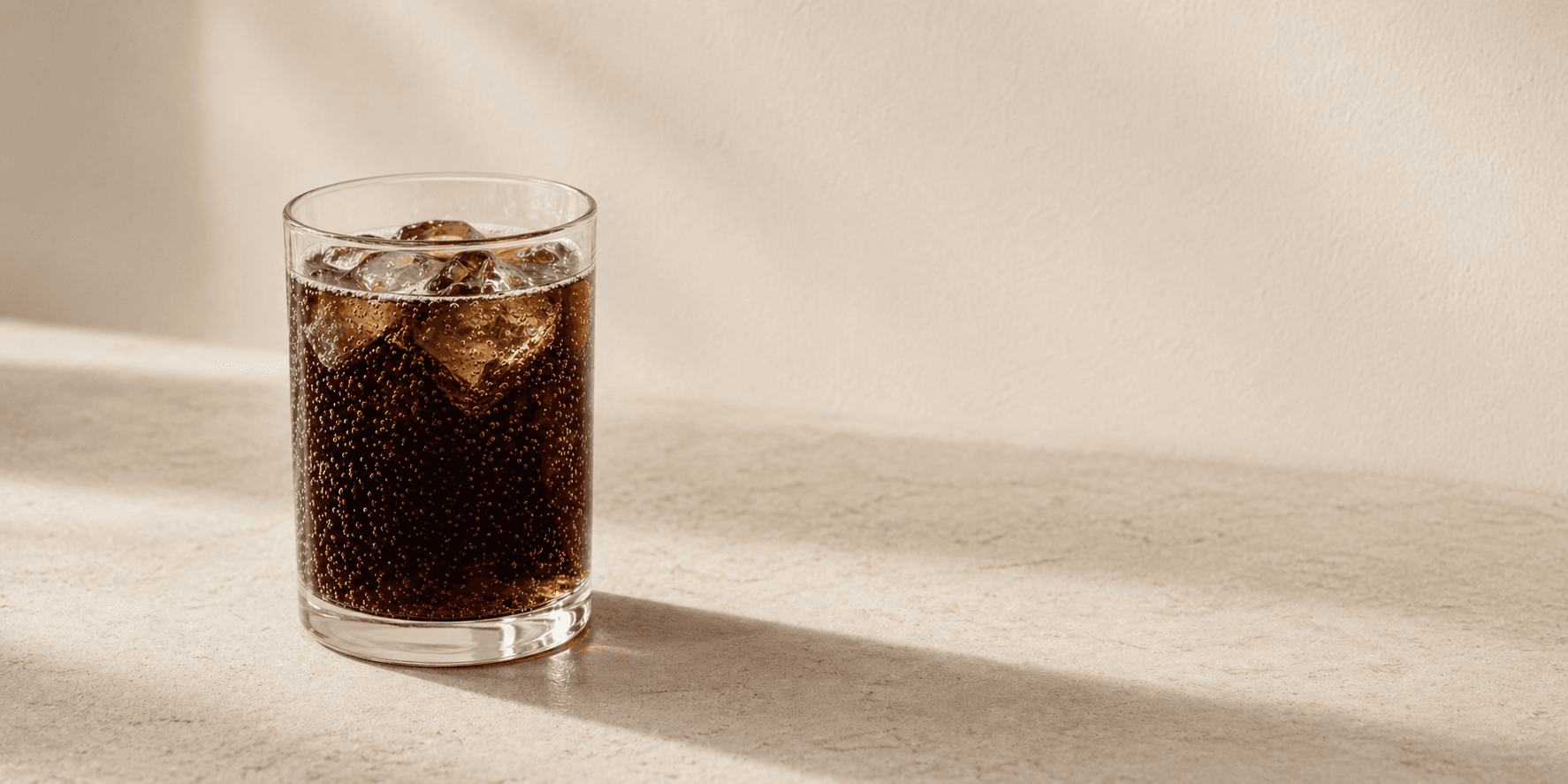
Diet drinks and artificial sweeteners may be zero cal, but they aren't biologically invisible. For some people, sweeteners like aspartame, sucralose, saccharin, acesulfame potassium, and even stevia may keep cravings switched on. They may also affect appetite signals, shift gut microbes, or nudge glucose responses in ways that make hunger, stubborn weight loss, bloating, and everyday aches feel less random.
The rabbit hole that started with one question
I didn't quit diet drinks because I had some perfect plan. I quit because I was irritated.
I was doing the things that are supposed to be sensible. Choosing the diet version. Avoiding sugar. Getting the salad. Walking after dinner. And, honestly, listening to the fitness influencers who said a can or two of artificially sweetened drinks like Diet Dr Pepper or Coke Zero a day was totally fine if it helped you stay on track.
And still, I felt off.
Not dramatically sick. More like my body was quietly dragging a brake. I was hungry at weird times, especially at night. The kind of hungry where you finish a zero sugar drink and somehow the snack cabinet starts looking personally relevant. Weight loss felt harder than it should've. My feet, knees, and lower back ached more than I expected. I was exercising every day, so I kept telling myself it was probably the workouts, or my age, or just what happens when you're nearing 40. Little did I know, there might have been another pattern hiding in plain sight.
Then I started noticing how often artificial sweeteners were showing up. Not just in diet soda. They were in protein shakes, electrolyte powders, "healthy" flavored waters, gum, low sugar yogurts, energy drinks, and the little wellness coded things that look innocent because they don't have many calories.
Aspartame. Sucralose. Saccharin. Acesulfame potassium. Stevia. Monk fruit blends. Once I started seeing them everywhere, the question got sharper.
I don't think the honest question is, "Are these toxic?" That's too easy to dismiss. The more uncomfortable question is whether these sweeteners can be approved, common, and technically zero cal while still messing with appetite, gut signals, cravings, and inflammation for people like me.
Because approved for use doesn't mean your body won't react to it. It means regulators have reviewed safety data and set conditions or intake limits to avoid an obvious safety crisis. That's a very different standard from feeling good, losing weight, having steady hunger, or waking up without your knees and back complaining.
That's where the rabbit hole got interesting.
Why this might happen
1. Sweetness is a signal, not just a flavor
The body is constantly making predictions. If you taste something sweet, your brain doesn't treat that as random trivia. It starts preparing for incoming energy: appetite may shift, reward pathways light up, and metabolic systems get ready to respond.
But artificial sweeteners create a strange little mismatch. The mouth gets sweetness. The body doesn't necessarily get the calories or hormonal response it would've expected from sugar.
A 2025 Nature Metabolism randomized crossover trial looked at sucralose, sucrose, and water in young adults. Sucralose increased blood flow in the hypothalamus, a major appetite control area of the brain, compared with sucrose. Participants also reported greater hunger after sucralose than after sucrose.
That doesn't prove every diet drink makes every person hungrier. But if you've ever had a zero cal drink and then felt oddly snacky, the science makes that experience feel a lot less imaginary.
2. The craving loop can stay open even when calories are zero
One thing that surprised me is how much of appetite is pattern recognition.
If the afternoon routine is a sweet drink at your desk, your brain learns that routine. If the drink happens while you're stressed, scrolling, driving, or trying to power through the 3 p.m. slump, the cue gets even stronger. Eventually, the drink isn't just a drink, it's the start of a craving ritual.
That's why "zero calories" can be technically true and still miss the point. Calories aren't the only thing your nervous system is tracking.
When I stopped the sweetened drinks, I didn't suddenly become a serene person who wanted cucumber water and enlightenment. But the volume turned down. Food choices felt a little less negotiated. I wasn't fighting myself as much.
That's the part people underestimate. Sometimes the win isn't dramatic restriction. It's removing one daily cue that keeps asking your brain for more and never receiving it.
3. The gut piece is where this gets personal
This part felt personal for another reason too. My wife, Ruby, wrote her master's thesis on the gut brain connection, the HPA axis, and how the gut microbiome can shape mental and physical health. The HPA axis is basically one of the body's stress response systems: brain, hormones, cortisol, and immune signals talking back and forth. So gut health wasn't some random TikTok topic in our house. It was something I'd heard about at the dinner table, in real life, from someone who had actually studied it.
The gut microbiome isn't just a wellness buzzword, even though wellness culture has absolutely tried to ruin the phrase. Your gut microbes interact with immune signaling, glucose handling, appetite hormones, and inflammatory pathways. That doesn't mean every symptom is "from the gut," but it does mean gut changes can show up in ways that feel surprisingly whole body.
A 2022 Cell trial gave healthy adults saccharin, sucralose, aspartame, or stevia for two weeks, at doses below acceptable daily intake levels. The results weren't one size fits all. Different sweeteners affected microbiome patterns differently, and saccharin and sucralose changed glucose tolerance in some participants.
That word "some" matters.
One person may drink sucralose every day and feel completely fine. Another person may notice more cravings, bloating, blood sugar weirdness, or a weight loss plateau that doesn't make sense on paper. Average study results can be helpful, but your lived pattern matters too.
4. Gut health, inflammation, and joint aches are connected areas, but not a smoking gun
This is where we have to stay honest.
I wouldn't say, "Artificial sweeteners cause joint pain." The evidence isn't strong enough for that, and overselling it would be sloppy.
What we can say is more nuanced: gut health, immune signaling, metabolic health, and joint symptoms are connected areas of research. Reviews on the gut joint axis suggest the microbiome may play a role in inflammatory joint conditions. Separately, human sweetener studies raise questions about microbiome shifts and glucose responses in some people.
So if you stop diet drinks or artificial sweeteners and notice your joints feel better, that's not proof. But it's also not something to dismiss. It's a clue. And in real life, health often improves because someone finally starts respecting the clues.
5. Weight loss may get easier because hunger gets quieter
Quitting diet drinks doesn't magically melt fat. That's not the claim.
The more realistic idea is that removing frequent artificial sweeteners may change the upstream signals that drive eating. If cravings calm down, you may snack less without forcing it. If hunger feels steadier, meals may feel more satisfying. If you replace sweet drinks with water, unsweetened tea, mineral water, or plain sparkling water, your day simply has fewer sweet cues pulling at you.
That kind of change isn't flashy. It won't make a good miracle headline. But it can be the difference between constantly negotiating with yourself and feeling like your body is finally cooperating.
The part I don't want to gloss over
Here's the nuance: artificial sweeteners aren't automatically dangerous just because they didn't work for me. Regulatory agencies set acceptable intake limits, and the FDA considers approved high intensity sweeteners safe when used within those limits. That's important context, especially for people with specific conditions like phenylketonuria, who need to avoid or restrict aspartame.
But that safety bar is not the same as saying these drinks are helping your appetite, gut, joints, or weight loss.
A 2022 JAMA Network Open systematic review found that low- and no calorie sweetened beverages can look useful when they replace sugary drinks in controlled trials. That makes sense. If someone is drinking several full sugar sodas a day, switching to a diet version may reduce sugar and calories.
But that's a different question than the one I was asking. I wasn't asking whether Diet Dr Pepper is better than drinking a bunch of regular soda. I was asking whether drinking artificial sweeteners every day was keeping me hungry, achy, bloated, and stuck.
The World Health Organization's 2023 guideline also advises against using artificial sweeteners for long term weight control. That doesn't mean everyone has to panic. It does mean the "diet drink as a weight loss tool" story is a lot shakier than most of us were told.
So my take is simple: if artificial sweeteners are working for you, fine. But if you're constantly hungry at night, fighting cravings, dealing with weird gut stuff, or aching more than you think you should, they deserve a real look. Same if weight loss feels harder than the math says it should.
A simple experiment if you're curious
Try removing diet drinks and other artificially sweetened products for two to four weeks. Keep the rest of your routine as steady as you reasonably can.
Track a few things, not obsessively, just honestly:
- Hunger between meals.
- Sweet cravings.
- Bloating or digestion.
- Joint aches or stiffness.
- Weight trend.
- Sleep quality.
- What you replaced the drinks with.
The replacement matters. Water, unsweetened tea, mineral water, or plain sparkling water tells you more than swapping diet soda for another sweetened "zero sugar" drink.
Common questions about diet drinks and artificial sweeteners
Can diet drinks make you hungrier?
They can for some people, but not everyone. That is the honest answer.
A diet drink may be zero sugar and still act like a strong sweetness cue. In some people, that cue may keep appetite, reward, and snack seeking patterns switched on. In others, diet drinks may make it easier to avoid sugar sweetened soda without obvious downside.
That is why the best question is not, “Are diet drinks always bad?” It is, “Do my hunger, cravings, bloating, sleep, weight trend, or aches change when I remove them for a few weeks?”
Can artificial sweeteners affect gut health?
Some human research suggests artificial sweeteners can affect the gut microbiome or glucose responses in ways that vary person to person. Saccharin, sucralose, aspartame, stevia, acesulfame potassium, and blended sweeteners are not one identical category.
If your searches sound like “diet soda bloating,” “artificial sweeteners gut health,” “sucralose cravings,” or “why am I hungry after Diet Coke,” the practical move is to track your own pattern carefully instead of arguing with averages.
Will quitting diet soda help with weight loss?
Not automatically. Quitting diet soda does not create a magic calorie deficit by itself.
It may help if diet drinks are keeping sweet cravings loud, leading to more snacking, replacing water, or making hunger harder to read. It may not help if the rest of the diet changes in the opposite direction. And if diet drinks are replacing multiple sugar sweetened drinks per day, the tradeoff can be different.
For weight loss, the useful experiment is simple: remove the sweetened drinks, keep the rest of the routine steady, and watch hunger, cravings, weight trend, and replacement drinks.
Are artificial sweeteners linked to joint pain or inflammation?
The evidence is not strong enough to say artificial sweeteners cause joint pain. That would be too clean and too confident.
A better frame is that gut health, immune signaling, metabolic health, inflammation, and joint symptoms can overlap. If your knees, feet, back, or stiffness improve after quitting diet drinks, treat that as a personal clue worth tracking, not as proof of a universal rule.
Related SageWiz reading
- If bloating, rashes, flushing, sleep disruption, or food reactions seem to come and go after fermented or aged foods, read The 18-Month Rash: A Histamine Pattern Hiding in Plain Sight.
- If fatty meals trigger digestive urgency, upper back discomfort, bile questions, or food anxiety, read Gallbladder Sludge and Digestion: The Missing Piece Wasn’t Another Food Rule.
Evidence
Evidence used in this article
Primary sources and public-health references reviewed for this draft.
- Noncaloric sweetener effects on brain appetite regulation in individuals across varying body weights
Nature Metabolism
Randomized crossover trial of sucralose, sucrose, and water with appetite and brain response measures.
- WHO advises not to use artificial sweeteners for weight control in newly released guideline
World Health Organization
Conditional guideline summary on artificial sweeteners for long term weight control.
- Personalized microbiome driven effects of nonnutritive sweeteners on human glucose tolerance
Cell / PubMed
Randomized controlled human trial studying sweeteners, microbiome changes, and glycemic responses.
- Association of low- and no calorie sweetened beverages as a replacement for sugar sweetened beverages with body weight and cardiometabolic risk
JAMA Network Open / PubMed
Systematic review and meta analysis of beverage substitution trials.
- The microbiota and the hypothalamus pituitary adrenocortical (HPA) axis, implications for anxiety and stress disorders
Current Opinion in Neurobiology / PubMed
Review included to contextualize the gut brain and HPA axis discussion.
- Gut joint axis: gut dysbiosis can contribute to the onset of rheumatoid arthritis via multiple pathways
Rheumatology / PubMed
Review included to contextualize gut joint research, not to claim diet drinks cause joint pain.
- High Intensity Sweeteners
U.S. Food and Drug Administration
Regulatory safety overview and acceptable daily intake context for approved high intensity sweeteners.
Bottom line
Artificial sweeteners may be safe for many people and still be a bad fit for your appetite, gut, or weight loss pattern.
If quitting them made you less hungry, helped you lose weight, or made your body feel calmer, that doesn't sound random. It sounds like a signal worth respecting.
Free Quick Check
Loading the article Quick Check…
No account is needed to start. If symptoms are severe, sudden, or rapidly worsening, seek urgent medical care instead of waiting for an online tool.